Introduction of item
Adhesive wick
This product is used as an accessory to most clothing, and we produce an adhesive product that allows it to be attached to the outer fabric.
Products that require the purpose of preserving the shape of the clothing, sewing production, and finished clothing design
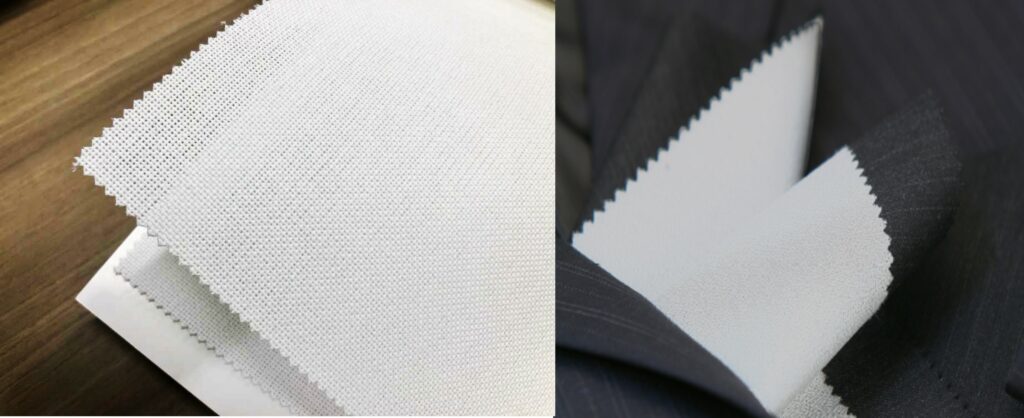
What is an adhesive wick?
Thermoplastic resin is applied to woven, knitted, and non-woven fabrics to allow air bubbles to attach to the outer fabric.

The history of adhesive interlining
- First appeared in Europe around 1900. A product that is hard to the touch and for simple adhesive use.
- With the rapid development of synthetic resins and synthetic fibers after World War II, a product called 'Fusible Inter-Lining' appeared on the market in 1950.
- In 1964, ‘dot type’ products appeared on the market.
Products made with dots arranged at regular intervals create strong adhesion and a soft touch.
With the advent of the dot type, semi-permanent adhesion became possible.
How to select adhesive interlining
- Selection of adhesive interlining must be consistent with planning intent.
- The fiber type, weight, density, thickness, processing status, etc. of the outer fabric must be thoroughly reviewed.
- Fully understand the type and quality characteristics of adhesive wicks and select them after direct testing.
Check points when selecting an adhesive wick.
-
- Adhesion strength
- Exudation, reverse exudation phenomenon
- Shrinkage of outer fabric (heat, washing, steam, etc.)
- Changes in the appearance of the outer fabric
- Washing stability (water washing, dry cleaning)
- Moiré phenomenon.
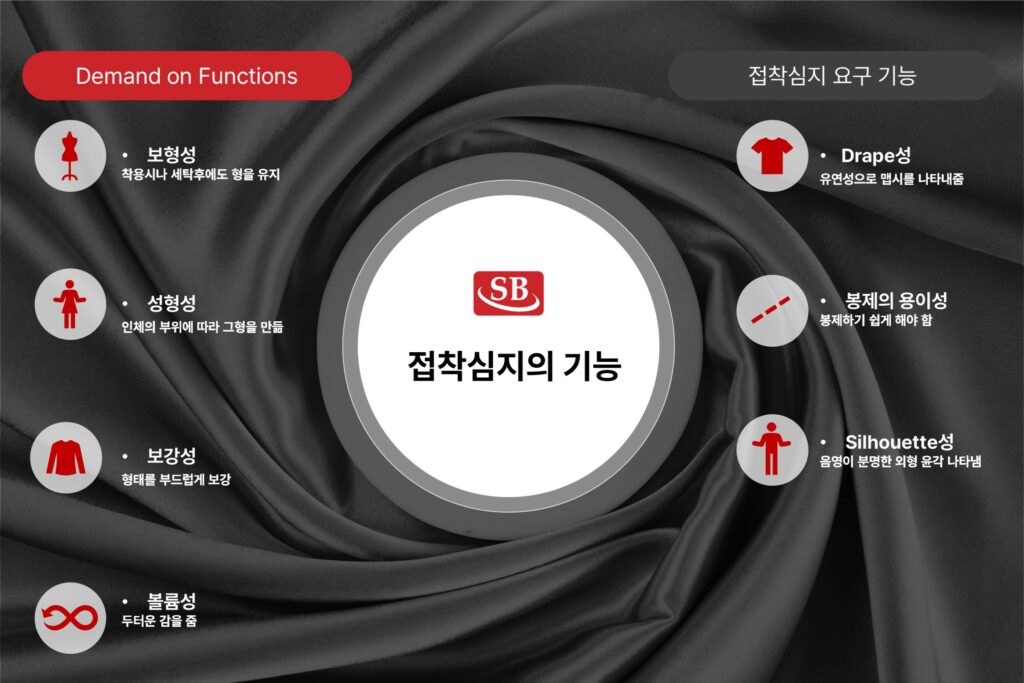
옷의 전체적인 태를 살려주는 것.
-> 태 : 직물을 만졌을 때의 촉감, 시각 미적감각, 여기에 Drape성과 굽힙성 등을 종합하여 품질과 품위를 표현하는 뜻
원단에 붙혀서 사용하기 위해서는 사용되어진 열 가소성 수지의 성질에 맞는 열,압력,시간의 3요소가 필요함
lining
A product used as a lining in most clothing
lining
A product that can be applied to almost all clothing.
Improves the fit of clothing, protects the skin, and adds various functions, creating a pleasant atmosphere.
Representative items: P/STRETCH, S/STRETCH, P/TAFFETA, P/TWILL, LC/TAFFETA, etc.
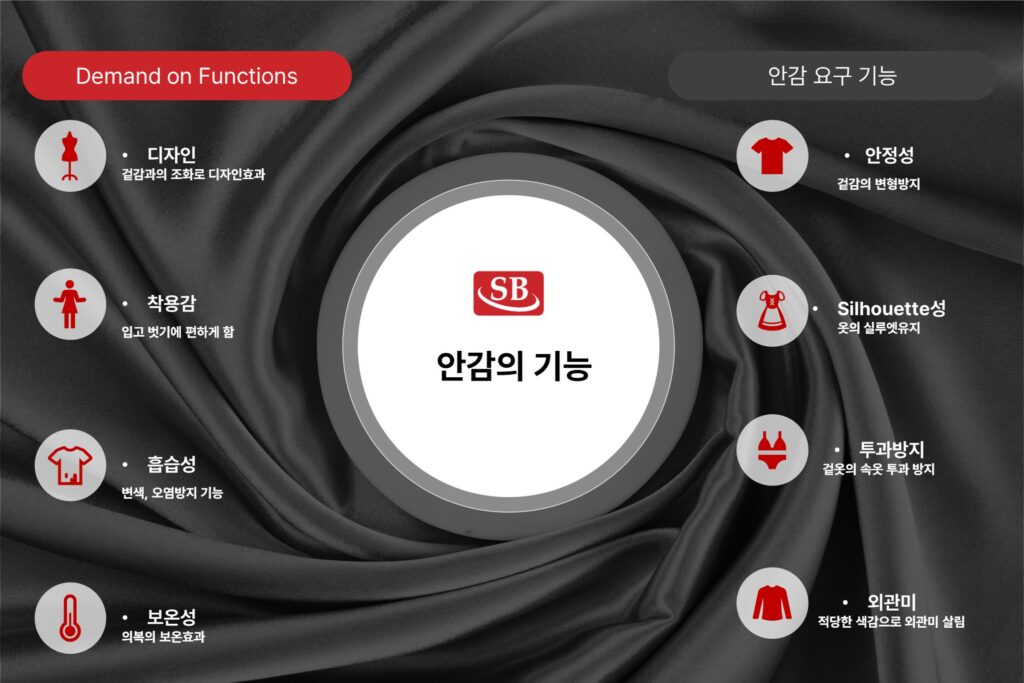
The purpose of using lining in clothing is to make it comfortable to wear , stabilize the shape, maintain warmth ,
and preserve the beauty ( shape ) that appears on the outside.
Back paper
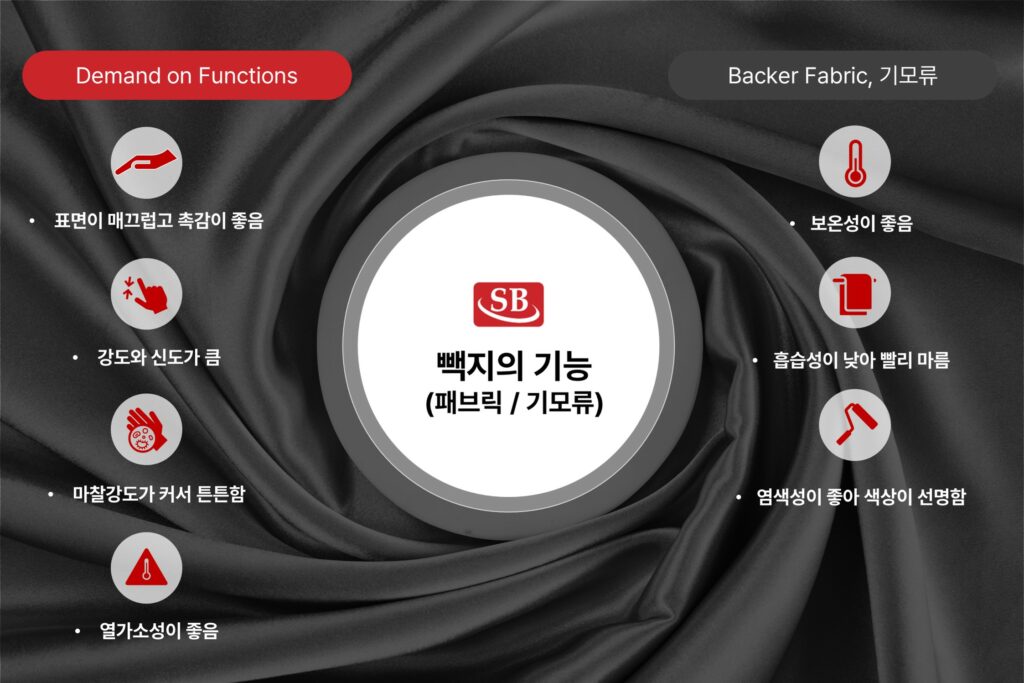
A product used in conjunction with functional fabrics.
Back paper
A product applied as the lining of functional outer fabric.
Commonly used for lamination (adhering to functional films). The purpose is to be very thin and lightweight.
It is a 2-layer and 3-layer type and is widely used in outdoor clothing.
Representative items: NTR10D, NTR20D, P30WOVEN, N15WOVEN, etc.
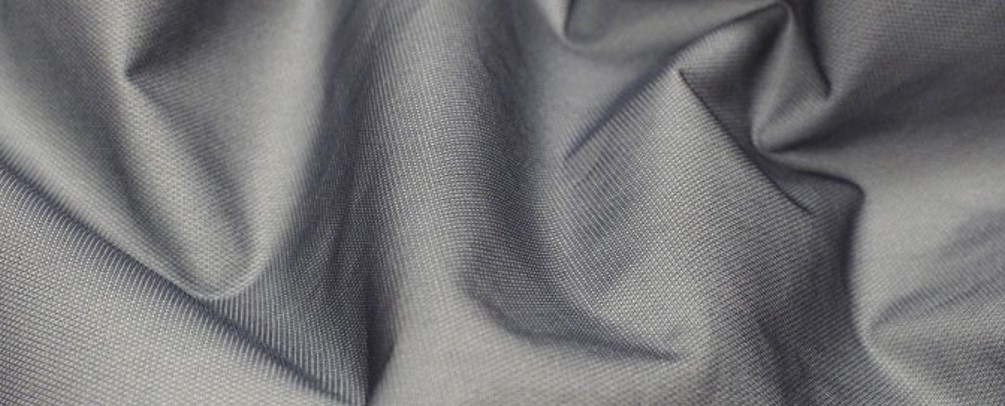
It is soft, shiny, and strong, so it is mainly used as filament yarn.
In addition, it is widely used for industrial purposes such as rope and tire cord,
and is widely used as special high-tech materials.
Span
Heavy Daimaru fabric and knitted spandex products.
Span
By applying spandex yarn, great emphasis is placed on elasticity and resilience.
Applicable to various types of products (woven, knit, tricot), producing a variety of products from lightweight to heavy.
Leggings, T-shirts, sweatshirts, pants, inner wear, golf clothes, etc.
Representative items: single span, woven span, katsion span, Askins span, N single span, etc.
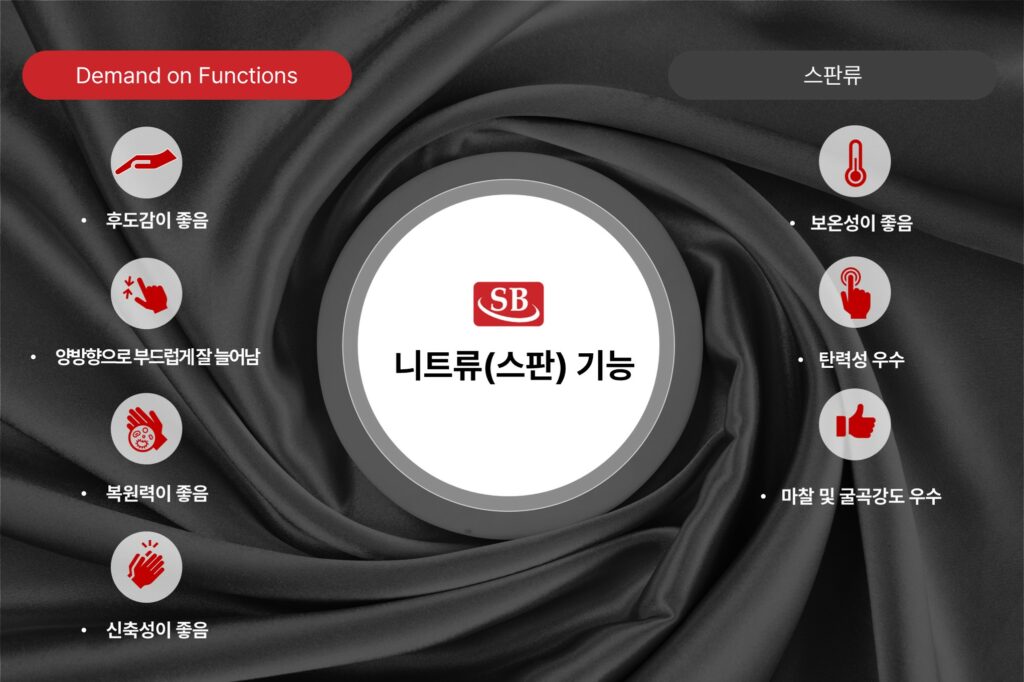
Spandex is an elastic fiber and has the highest elasticity among fibers, with an elongation of 500-600%.
Main uses include women's underwear , swimsuits , ski suits , socks , golf jackets , etc.